Our hernia protocol consists of several steps. After the investigation you will hear which of these suit your complaint; If an operation is required, we will refer you.
On this page5
How does it work?
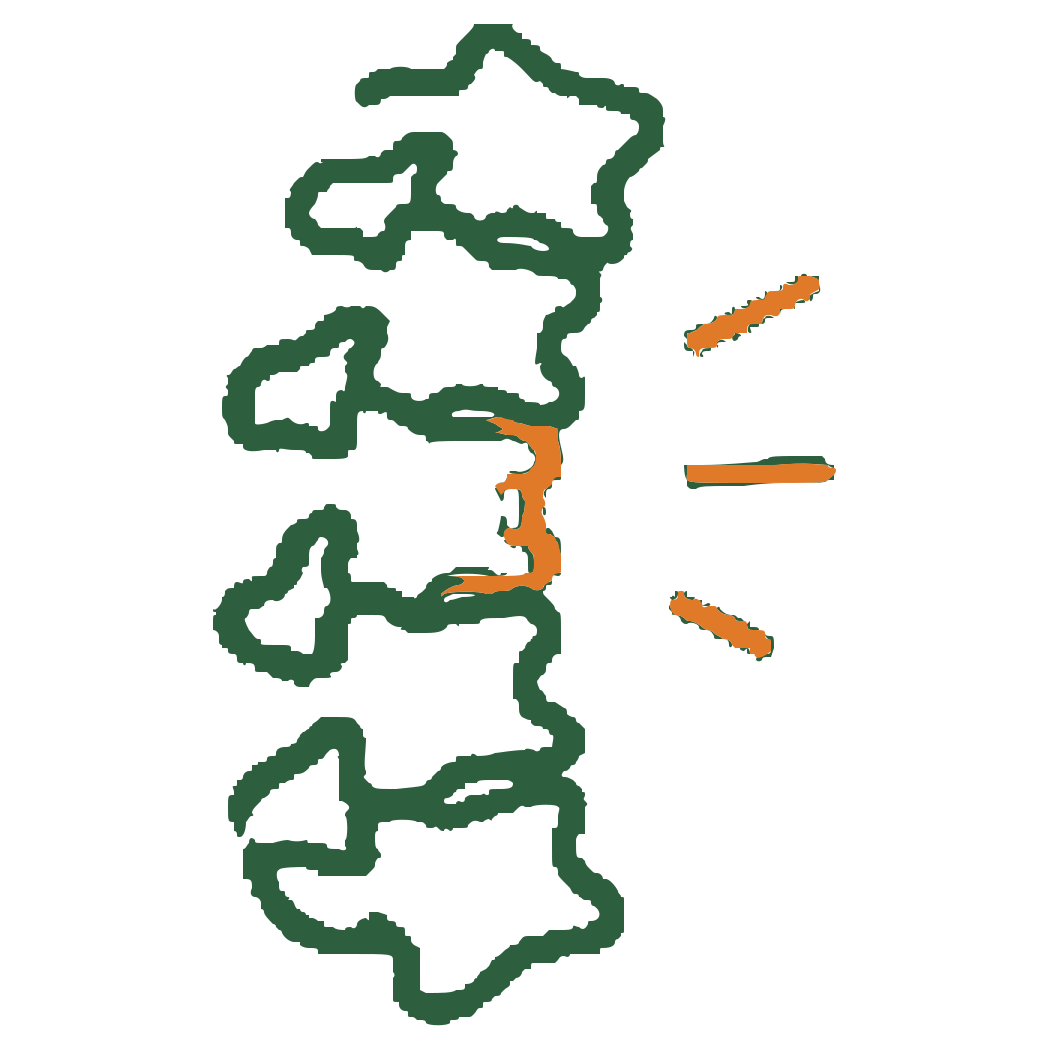
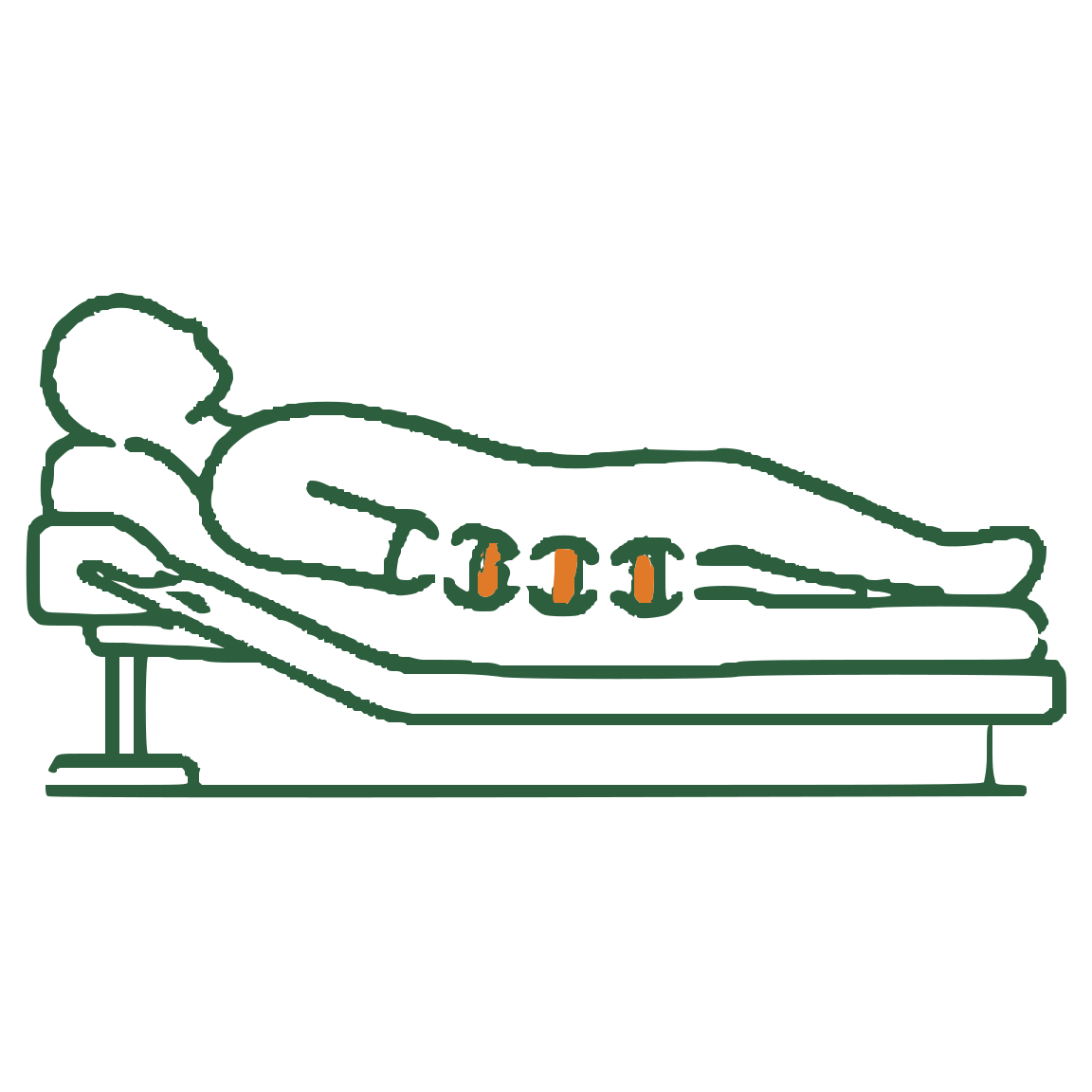
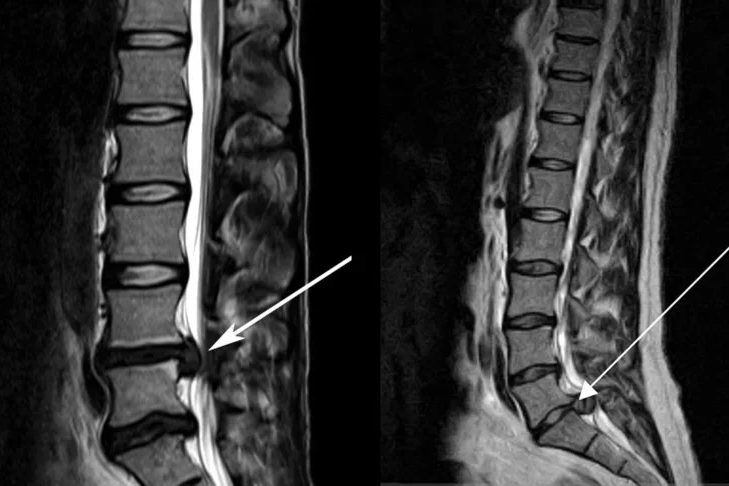
The core is spinal decompression: a computer-controlled traction technique on a special table. At a specific angle (depending on the level of the hernia — L4-L5, L5-S1, or cervical), measured traction is given at intervals (alternating pulling and releasing). This creates negative pressure in the intervertebral disc, allowing bulged disc material to move back and restore oxygen and nutrient transport.
The complete protocol combines decompression with gentle chiropractic adjustments, core control exercises and lifestyle advice. If desired and indicated, the doctor can add anti-inflammatory injection therapy.
What can you expect?
A decompression session lasts 20-30 minutes. You lie on the table with a belt around your pelvis and chest. The traction feels like a gentle, rhythmic stretch — no pain. Many patients experience a reduction in radiating pain during or immediately after the session.
Slight muscle reaction may occur afterwards — this is normal. Results build throughout the protocol.
Scientific substantiation
International guidelines place decompression as an option within the conservative range for symptomatic hernias without neurological deficit. Studies with systems such as DRX9000 show improvement in lumbar radiculopathy.
This is how a session goes
Each process is tailor-made, but this is what a typical course looks like — from first intake to pain-free and maintenance. You always know exactly where you stand.
Preparation
You report, the doctor briefly checks your symptom status. You lie on the decompression table with belts around your pelvis and chest.
Spinal decompression
Computer-controlled traction in 60-90 sec intervals. You will feel a gentle stretch, no pain. Many patients experience relief from radiance during the session.
Gentle correction + injection?
After decompression: additional gentle chiropractic correction. In case of inflammatory component: doctor can give injection (only Dordrecht).
Recovery exercises
Core control exercises you can do the same day. McKenzie extensions or psoas release if appropriate.
Frequently asked questions
Does this replace surgery?
In many patients, yes. In case of red flag symptoms (loss of strength, bladder/intestinal problems), surgery is still necessary.
Does decompression hurt?
No. It feels like a gentle, rhythmic traction.
How quickly will I notice improvement?
Often after 4-6 sessions; the full effect after the entire process of 15-25 sessions (6-10 weeks).
What if I lose strength?
Contact us directly. Loss of strength, numbness or incontinence are reasons for emergency referral.
Will the hernia come back?
Core control exercises and posture advice are essential to prevent recurrence. The hernia protocol therefore always includes an exercise component.
Not suitable for cauda equina syndrome (requiring emergency surgery), progressive neurological deficits, fractures, severe osteoporosis, tumor in the spine, recent spine surgery, abdominal aneurysm or pregnancy.