A hernia — officially a hernia nuclei pulpos (HNP) — sounds like a diagnosis where the operating room is unavoidable. Yet the opposite applies to most hernias: with a structured, non-surgical approach, a large proportion of patients recover without surgery. In this article we explain when surgery is necessary, when waiting is wiser, and how our hernia protocol works.
On this page7
What exactly is a hernia?
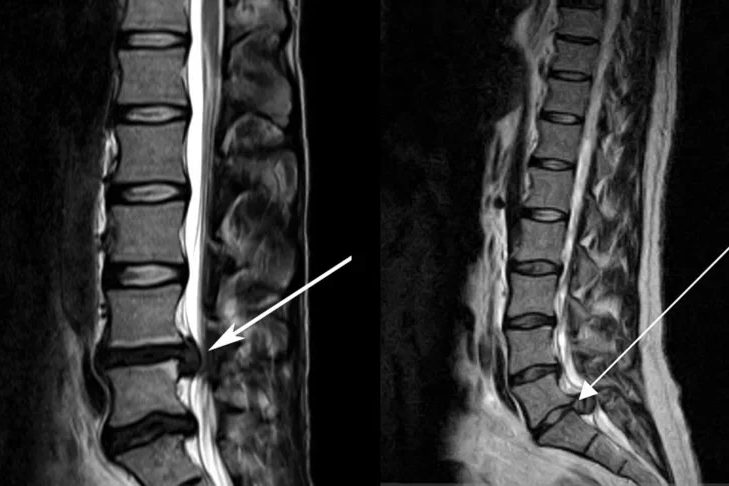
There are intervertebral discs between your vertebrae that act as shock absorbers. With a hernia, the soft core of such a disc bulges and presses on a nerve. This causes the well-known complaints: radiating pain in the leg or arm, tingling, a numb feeling or loss of strength. Most hernias occur in the low back (lumbar) or the neck (cervical).
Does a hernia always require surgery?
No. For most hernias, international guidelines recommend that you first follow a conservative (non-surgical) course. The body has a great capacity for recovery: bulging disc material can shrink naturally over weeks to months, reducing pressure on the nerve. An operation often relieves the pain faster in the short term, but after one to two years the result of a good conservative process is in many cases comparable — without the risks of an intervention.
The non-surgical hernia protocol
At Praktijk Dokter Mulder we combine multiple techniques in one structured process. We not only tackle the pain, but the cause: the pressure on the nerve.
- Spinal decompression — targeted, gentle traction that creates negative pressure in the disc, allowing bulging material to retract and relieving pressure on the nerve.
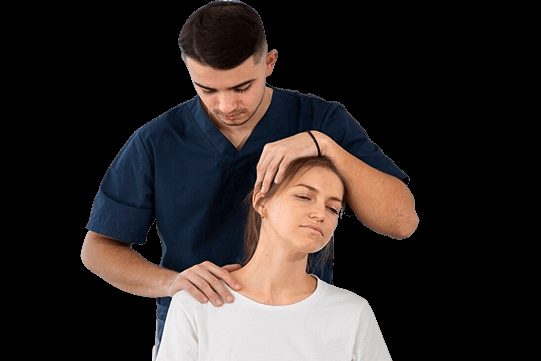
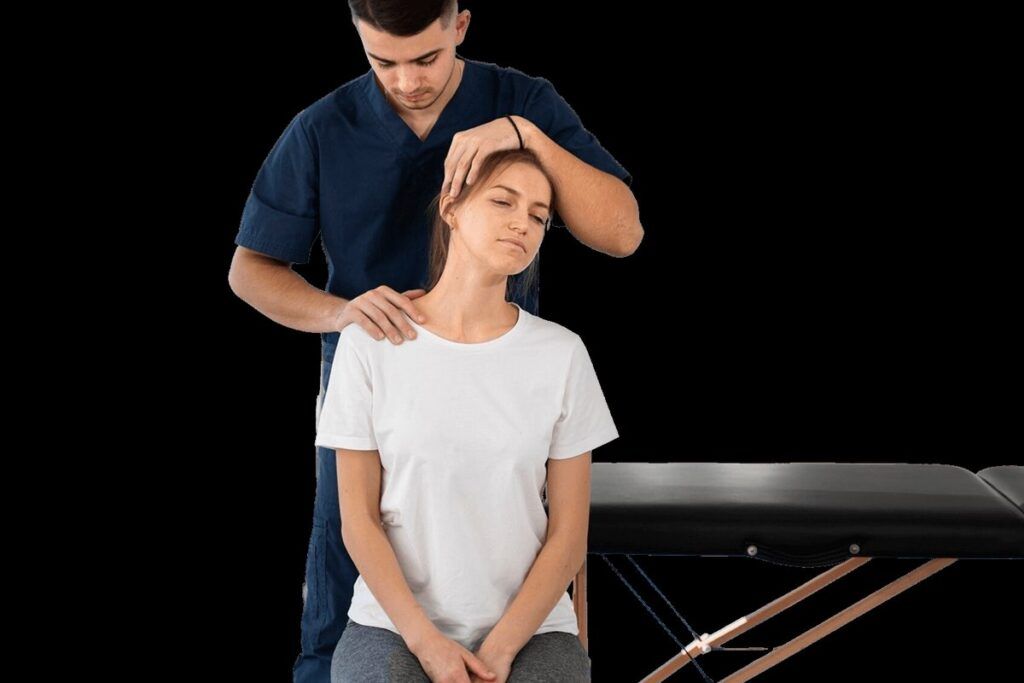
- Gentle chiropractic care — restoring mobility and reducing compensatory tension, without heavy-handed cracking.
- Targeted injection therapy — where necessary, to reduce inflammation around the nerve and speed recovery.
- Exercise & posture advice — to stabilize the torso and prevent relapse.
Curious about the complete process? Read more about our hernia protocol or view the page about hernia as a complaint.
When is surgery necessary? (alarm signals)
There are situations in which you should not wait but need immediate medical attention:
- Loss of bladder or bowel control.
- A numb feeling around the buttocks or pubic area (saddle anesthesia).
- Rapidly increasing, severe loss of strength in a leg or arm.
These signs may indicate cauda equina syndrome and require emergency care. In all other cases, a calm, focused conservative approach is usually the best first step.
How long does the recovery take?
Many patients notice a reduction in radiating pain within a few weeks. A complete process usually takes 6 to 12 weeks, depending on the severity and how long the complaints have existed. During the intake we draw up a personal plan with a realistic assessment for your situation.
Is the treatment reimbursed?
Almost all supplementary health insurance policies (partially) reimburse chiropractic care. Easily check what your package covers with our reimbursement checker. You do not need a referral from your GP to make an appointment.
Frequently asked questions
Is chiropractic safe for a hernia?
Yes, provided it is performed by an experienced, registered practitioner and with the correct technique. For hernias we use gentle techniques and decompression — no heavy-handed manipulations.
Can a hernia go away on its own?
Often yes. The bulging material can shrink over time. A targeted program supports and accelerates that natural recovery.
Should I keep moving or rest?
Prolonged bed rest is not recommended. Regular exercise — under supervision — promotes recovery.
Are you unsure whether surgery is necessary? First have your hernia assessed by our team. Often referred to Rotterdam within a week, no referral necessary. Schedule an appointment or call us.
This article is informational and does not replace personal medical advice. In case of doubt or persistent complaints, always consult a doctor or BIG-registered healthcare provider.