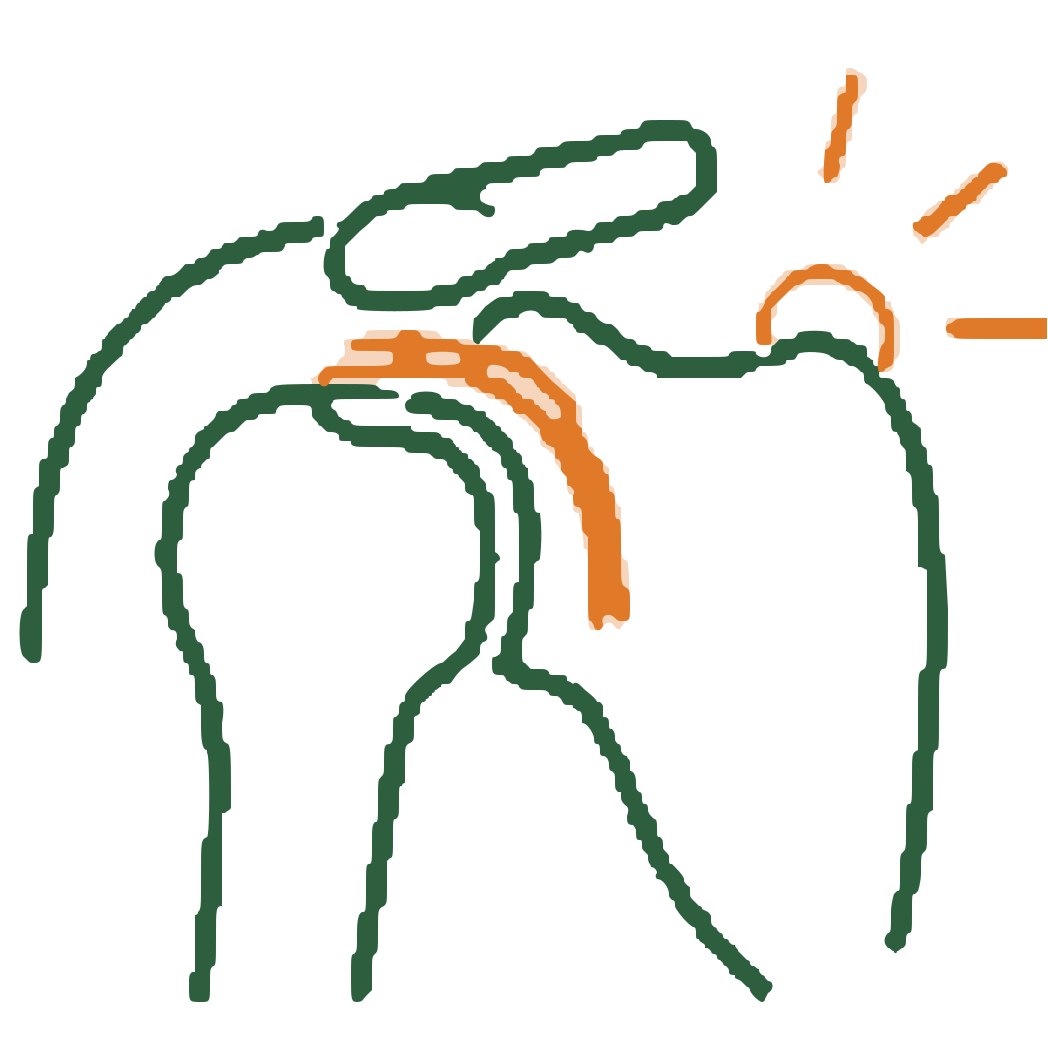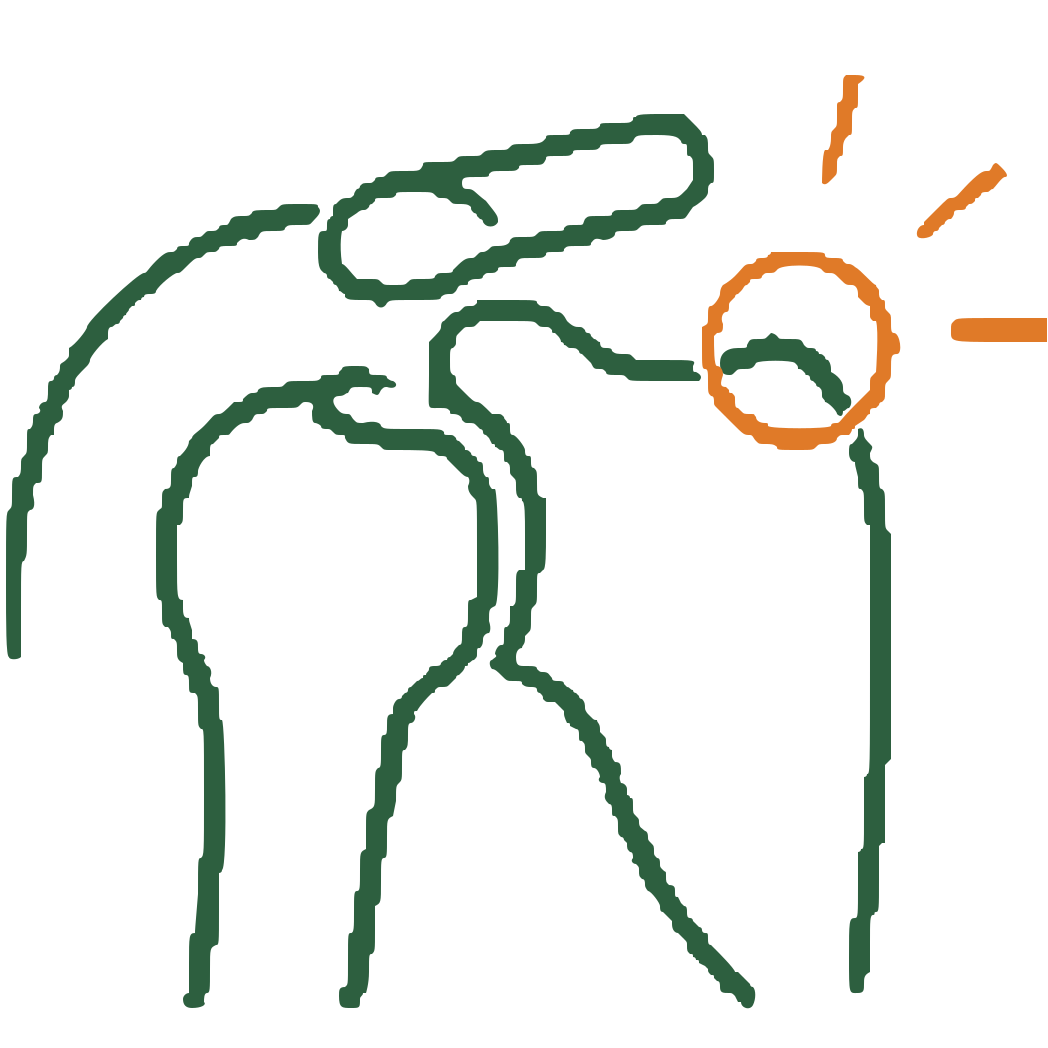
Osteoarthritis or injury of the acromioclavicular joint (AC joint) is a common shoulder condition. It causes pain and discomfort during daily activities.
On this page5
The acromion is the part of the shoulder blade that forms the roof of the shoulder joint. The scapula hinges at the front of the shoulder with the collarbone. When lying on the shoulder, this joint comes under tension.
How does it arise?
The condition is usually caused by an accident or heavy use of the shoulder. A classic example is the young weightlifter who hurts the AC joint while bench pressing. Left untreated, pain in the affected joint can persist for years after the overload.
What are the symptoms?
- Pain in front of and on the shoulder
- Increased pain when the arm is held across the chest because the movement puts tension on the joint
- No longer being able to lie on the shoulder
- Complaints about overhead work
- A visible and palpable swelling on the shoulder, because the joint is located just under the skin
Treatment
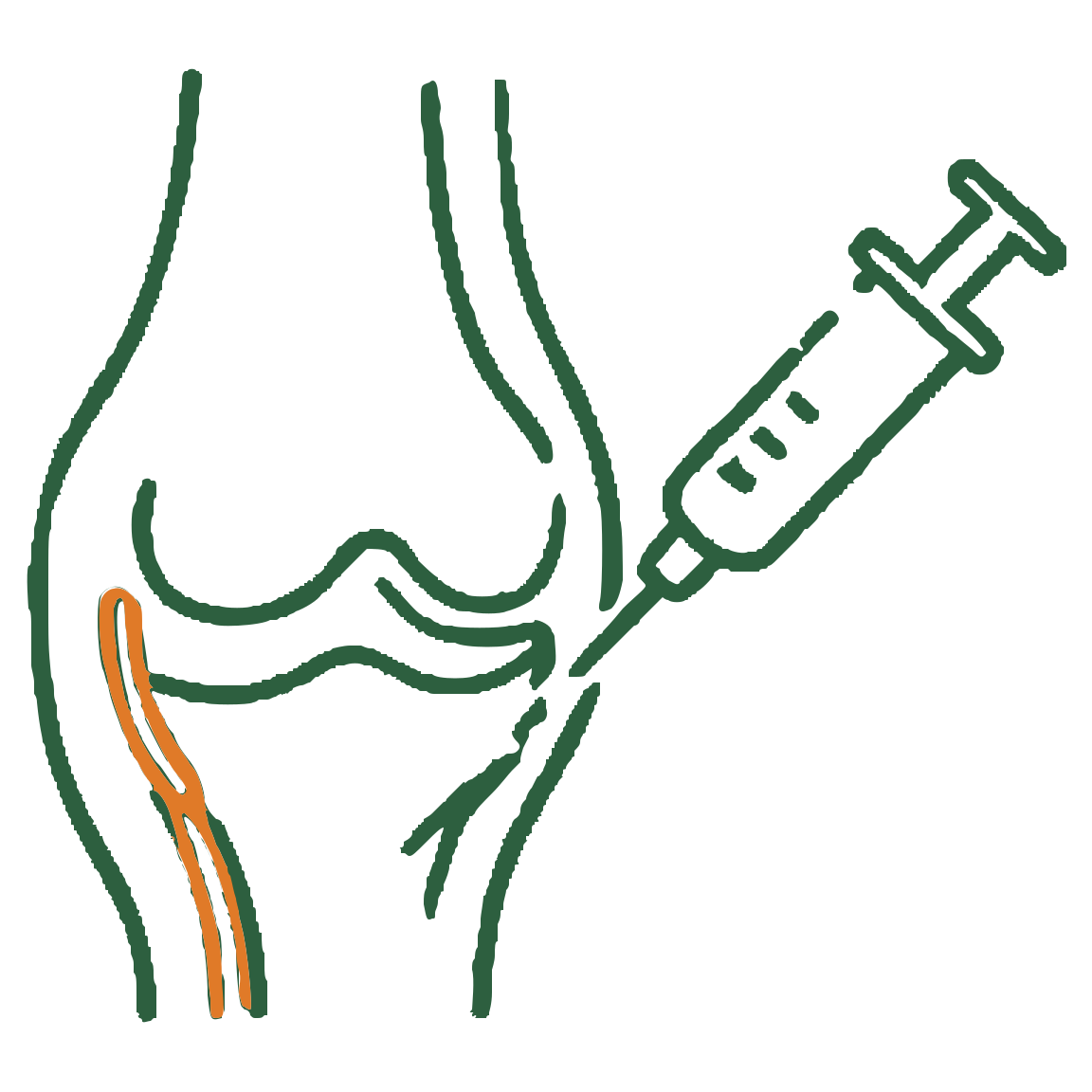
In simple cases, an injection with a pain-relieving anti-inflammatory often works well. After this injection we recommend building your activities back up slowly to their previous level. A series of injections is often needed. You are not committed to the whole series: after each injection we decide together whether continuing makes sense.
In case of instability of the AC joint (with piano key phenomenon), we choose to strengthen the stabilizing ligaments with prolotherapy.
What prolotherapy does
Prolotherapy stimulates the body to heal painful areas. The treatment triggers the body’s own healing response in the ligaments around the joint. The aim is for the body to repair the damaged ligaments in this way. Prolotherapy can support the healing of the injury, provided you are eligible for the treatment.
Once the ligaments of the AC joint become stronger, the stability of the joint improves. A stabilized AC joint is less prone to injury and can tolerate more strain during work or sports. We also recommend this treatment for active patients who do not want to put less strain on their shoulder professionally or as a hobby.
Recognizable symptoms
- Pain in front and on top of the shoulder
- More pain when you hold the arm across the chest
- No longer being able to lie on the shoulder
- Complaints about work above your head
- A visible and palpable swelling on the shoulder
Sources
Independent information from Thuisarts.nl, the patient website of the Dutch College of General Practitioners (in Dutch).