Pelvic instability (often after pregnancy or overload) causes pain in the lower back, buttocks and groin. We treat with gentle chiropractic care of the SI joint, prolotherapy (Dordrecht, on Thursday also Rotterdam) for persistent laxity, and targeted exercises for pelvic floor and core control.
On this page5
Pelvic instability often occurs after pregnancy, but also due to trauma or long-term overload. The ligaments around the sacroiliac joint become too weak, causing the pelvis to no longer stay in place properly. This causes pain when walking, getting up and standing for a long time.
Our approach
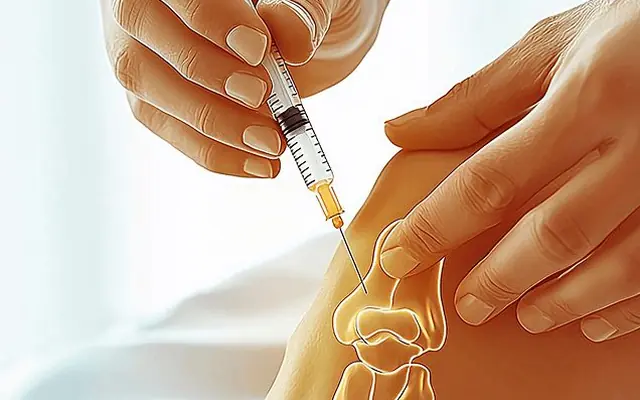
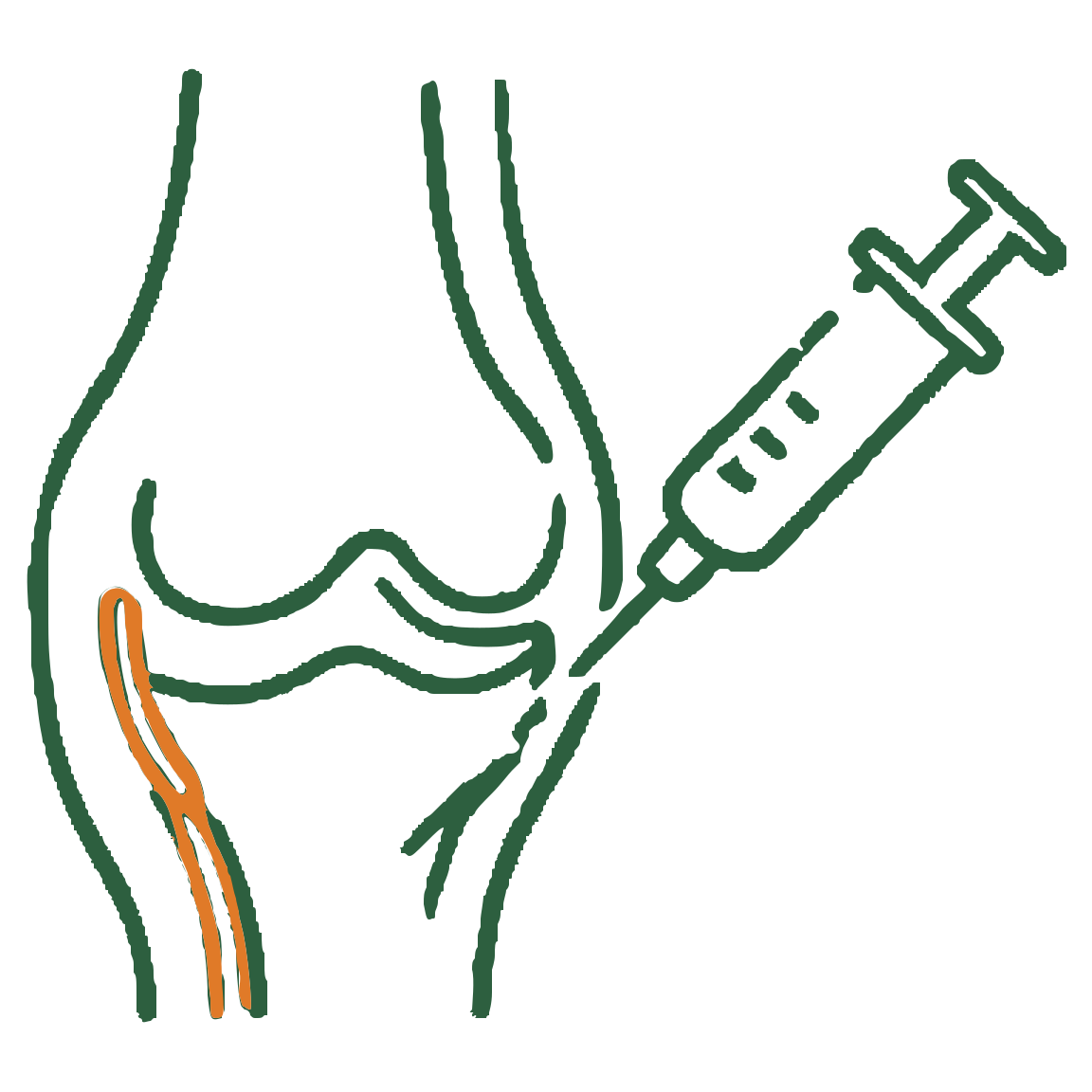
We start with gentle chiropractic care to remove any blockages. In the case of real instability (weak ligaments), prolotherapy is the gold standard: small injections with an irritating solution stimulate the ligaments to tighten and become stronger. Usually 3 to 5 sessions, with 4-6 weeks in between.
Your recovery journey
Each process is tailor-made, but this is what a typical course looks like — from first intake to pain-free. You are not committed to anything and you always know where you stand.
SI research
Provocation tests to confirm SI joint dysfunction. Pelvic belt may be used temporarily for pain relief. Gentle pelvic correction.
Stabilization exercises
Pelvic floor activation (in collaboration with pelvic physio if necessary). Pelvic tilts, dead bug, bird dog. 2 sessions per week.
Functional structure
Asymmetric load build-up: climbing stairs, single-leg exercises. In case of persistent laxity, consider prolotherapy (Dordrecht, on Thursday also Rotterdam).
Complete stability
Pelvic belt no longer necessary. Sports possible again. Maintenance exercises 3x per week at home.
How the investigation is going
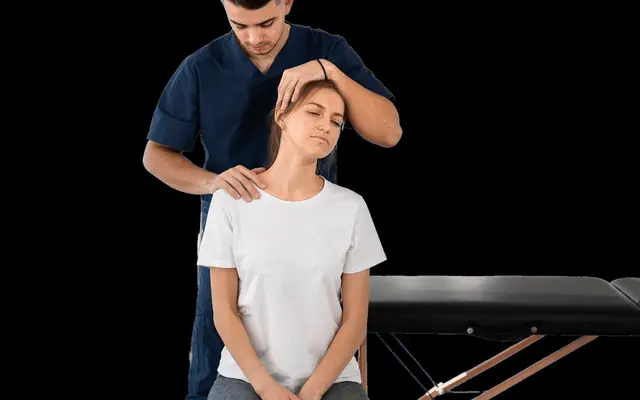
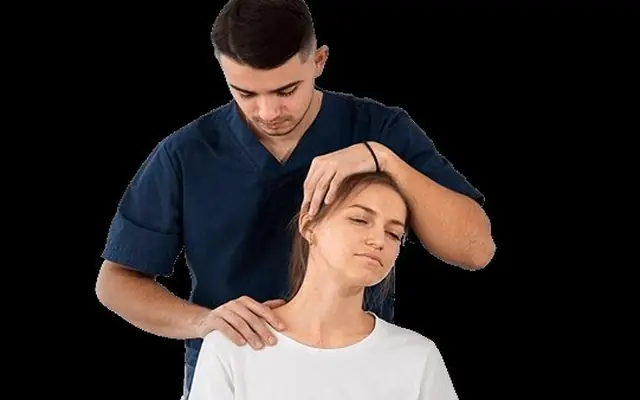
We look at the position of your pelvis while standing. While lying down, we examine whether there is a difference in leg length and how mobile your hips, pelvis and spine are. You will always hear what we are researching and why.
Where you are treated
Research and chiropractic care take place in our practice in Rotterdam. The doctors at our practice perform injections: PRP in Dordrecht, prolotherapy in Dordrecht and on Thursdays also in Rotterdam. If treatment in Dordrecht is better suited to your complaint, we will discuss this with you.
Frequently asked questions
How long do pelvic complaints last after childbirth?
Often 3-6 months, sometimes up to a year. Often faster with treatment.
Can I exercise with pelvic pain?
Light activity such as walking is; avoid asymmetrical sports (tennis, football) until stability is restored.
Does a pelvic band help?
For acute pain, yes, for a short time. Long-term use weakens its own stability.
When to go to pelvic physio?
In case of bladder complaints, urine loss or pain during sex - pelvic physiotherapist is the specialist.
Will it return during the next pregnancy?
Risk is increased, but with good prevention and training it can be controlled.