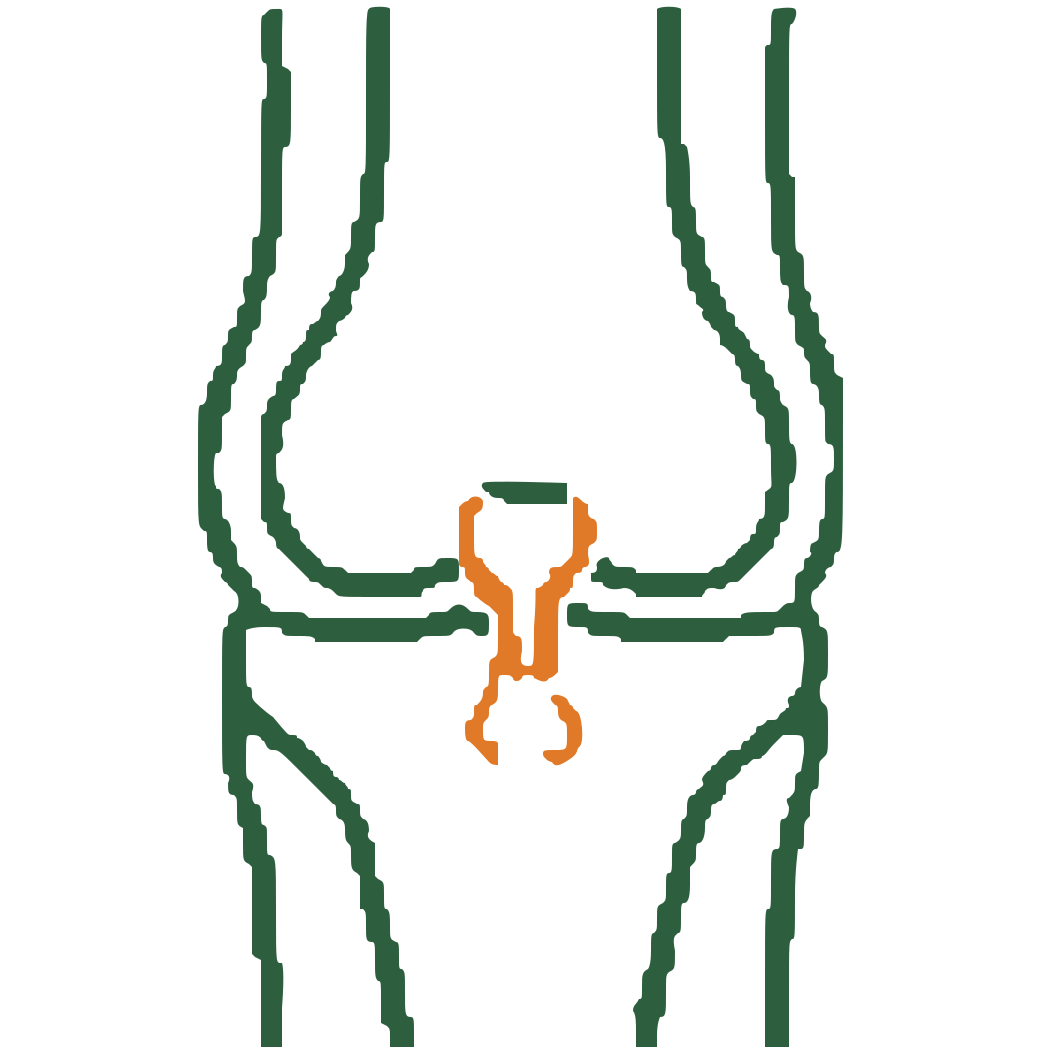
The anterior cruciate ligament (ACL) is regularly damaged in sports such as football, hockey and skiing. Often the anterior cruciate ligament is not the only one damaged: we also often see injuries to the medial knee ligament, a large and important ligament on the inside of the knee, and injuries to the meniscus.
On this page4
Untreated, stretched, unstable or torn anterior cruciate ligaments are clearly linked to a higher risk of meniscus injury and joint wear.
Complaints of instability of the anterior cruciate ligament
In the foreground is the feeling that the knee is not stable: the patient gives way to the knee and is afraid to put heavy weight on the knee. In addition, pain may arise in and around the knee. An intact, strong cruciate ligament is necessary to guide the movements of the knee.
Examination and diagnosis
Anterior cruciate ligament injuries must be carefully examined. If there is any doubt about a tear of this ligament, imaging tests should always be performed. In the event of a complete tear of the ACL, the knee requires surgery. In all other cases, the knee must be treated maximally conservatively (non-surgically).
Wearing a brace can reduce pain in the acute phase, but is not a long-term solution.
Treatment
We always fully examine the knee: we check all ligaments for stability, we examine painful tendons, muscle attachments and muscle knots, and we perform a functional examination of the knee.
As mentioned, with anterior cruciate ligament injuries we often see additional injuries, such as instability of other knee ligaments and meniscal injuries. The treatment must therefore be aimed at all affected structures.
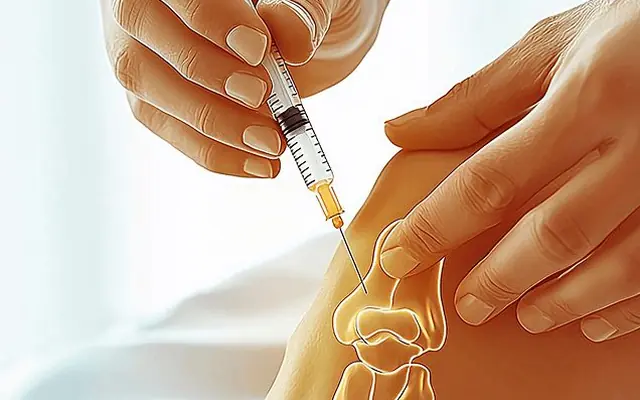
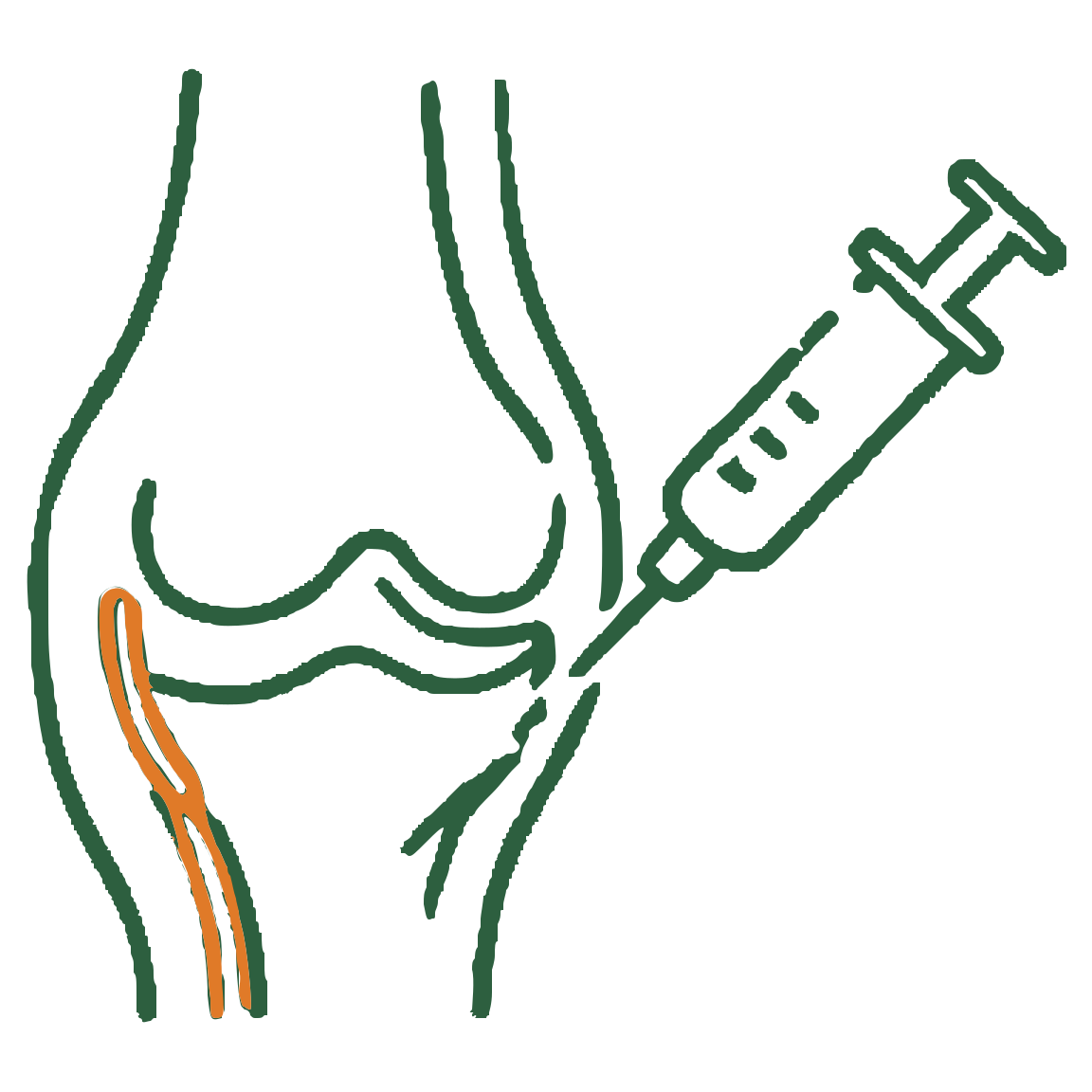
We treat unstable, stretched ligaments with prolotherapy. This is an injection therapy where we inject a glucose solution into the ligament. In this way we stimulate the body's own healing capacity, so that the affected ligament can heal and become tighter and more stable. The goal of treatment is to make the ligaments of the knee stable enough to resume previous activities.
Recognizable symptoms
- The feeling that your knee is not stable
- Drop to the knee
- Being afraid of putting heavy strain on the knee
- Pain in and around the knee
Scientific references (3)
- Grote W, Delucia R, Waxman R, Zgierska A, Wilson J, Rabago D. Repair of acomplete anterior cruciate tear using prolotherapy: a case report. IntMusculoskelet Med. 2009 Dec 1;31(4):159-165. PubMed PMID: 20802815; PubMedCentral PMCID: PMC2929023.
- Reeves KD, Hassanein KM. Long-term effects of dextrose prolotherapy foranterior cruciate ligament laxity. Altern Ther Health Med. 2003May-Jun;9(3):58-62. PubMed PMID: 12776476.
- Reeves KD, Hassanein K. Randomized prospective double-blind placebo-controlledstudy of dextrose prolotherapy for knee osteoarthritis with or without ACLlaxity. Altern Ther Health Med. 2000 Mar;6(2):68-74, 77-80. PubMed PMID:10710805.